
Thinking of starting a YouTube channel to build a source of income, but not sure where to begin? With the rise of AI content, it’s easy to feel like your videos might get lost in the noise. But here’s the good news, YouTube is about to change everything. A new policy, effective July 15, 2025, is set to reshape the way creators earn. Curious? Keep reading to find out.
Reason behind YouTube?
YouTube was originally created as a platform where people could share their lives, stories, and creativity with the world. It gave individuals a voice and a space to connect through authentic content.
However, as AI tools became more powerful and accessible, many creators began shifting towards AI-generated videos. What started as a space for personal expression gradually began to fill with content driven by algorithms and automation rather than human experience.
How creators are making money on YouTube with AI-generated content
Now, in 2025, AI-generated content has revolutionized the way people create and earn from YouTube, giving rise to a new generation of faceless content creators. With tools like ChatGPT for scripting, text-to-speech software for narration, and platforms like Midjourney for custom visuals, creators can produce high-volume, high-quality videos without ever showing their face or using a camera.

A major advantage is the easy access to free stock visuals and royalty-free images or video clips that can be used commercially without licensing fees. These visuals help bring AI scripts to life, making content look polished and professional even on a low budget.
Creators in a wide range of niches, like personal finance, productivity, health and wellness, educational explainers, horror storytelling, and daily motivation, are using this method to build monetized channels. Many automate the entire process, from scriptwriting to video editing, enabling them to publish multiple videos daily.
This ability to scale quickly with minimal overhead has made this model highly profitable. For example, some creators manage 3–5 channels at once, each generating thousands in monthly passive income.
Is AI Taking the Spotlight from Real Creators on YouTube?

But while AI content has opened doors for some, it’s created roadblocks for others. Real creators, those who script, shoot, and edit their own work, are struggling to compete.
- Algorithm Bias: AI videos are often more polished and consistent, giving them an edge in YouTube’s algorithm.
- Original Voices Overlooked: Personal, heartfelt content gets buried under flashy, templated uploads.
- Unfair Effort-Reward Ratio: Creators spending hours on a single video often see fewer returns than AI-driven channels posting daily.
- Burnout and Discouragement: Many talented creators lose motivation when their hard work doesn’t get recognized.
- Growing Inequality: Platforms are flooded with content that prioritizes quantity over authenticity, making it harder for genuine storytelling to go viral.
But not anymore. YouTube is finally taking action.
YouTube’s new monetization policy will change the game
From July 15, 2025, YouTube is rolling out a new monetization policy aimed at limiting earnings from repetitive, mass-produced, or low-effort content. The goal? To clean up the platform and prioritize content that offers real value.
Under the updated YouTube Partner Program (YPP) rules, channels relying heavily on templated formats, robotic narration, or rehashed scripts may no longer be eligible for monetization, even if they meet subscriber and view thresholds. So, for the creators who’ve been pouring real time, creativity, and hard work into their videos? This might just be the breather they’ve been waiting for.
Big changes to YouTube monetization rules in 2025
This move is part of YouTube’s ongoing effort to reward original creators and reduce clutter caused by AI-generated and mass-produced videos. Let’s break down what this new change is and how it might affect you.
Monetization still requires meeting the basics
Before going into what’s new, let’s quickly review what hasn’t changed. To become eligible for the YouTube Partner Program (YPP), creators still need to meet one of the following benchmarks:

These numbers remain the gateway to turning your content into revenue. But now, simply hitting the numbers isn’t enough, the quality and purpose of your content are under the spotlight too.
Mass-Produced Content No Longer Safe on YouTube
Here’s where things get serious: YouTube will start flagging content that feels recycled, generic, or created just for clicks. If you’ve been using the same video structure over and over, or relying heavily on robotic voiceovers and AI-written scripts with minimal editing, your channel might not be eligible for monetization, even if you meet all the other criteria.
YouTube has made it clear that:
- Videos copied from other sources must be significantly transformed with original commentary, editing, or creative value.
- Repetitive content that lacks a clear educational or entertainment purpose may be excluded from earning money.
This isn’t just about AI. It includes clickbait, templated videos, generic top-10 lists, and even overused Shorts formats. The agenda is to promote originality and creativity.
AI-generated content on target?
The rise of AI tools has made it easier than ever to pump out content, but YouTube’s new direction suggests that not all AI-assisted content will be treated equally. If you’re using AI to brainstorm ideas, write thoughtful scripts, or enhance production, that’s likely fine. But if your entire workflow is automated with no human input or originality, it could raise red flags.
So far, YouTube hasn’t issued a blanket ban on AI content, but the platform is clearly watching how it’s being used. The emphasis is shifting back to value-driven, human-centered content.
What happens if you break the rules?
Interestingly, YouTube hasn’t outlined exact penalties. There’s no official word on whether violating these guidelines will lead to strikes, suspensions, or complete demonetization. However, if your content is flagged under the new rules, you may simply be denied access to monetization opportunities. Your channel could remain live but no longer earn revenue, even if it meets subscriber and view count thresholds.
There’s still a chance to use AI, but it requires a bit more effort, like changing the background color, tone, and voice to make it feel more humanized.
Why this policy update matters
This update is more than a rule change, it reflects a larger shift in how platforms are responding to AI-generated content, content farming, and the overwhelming push for quantity over quality. It also follows other steps YouTube has taken recently, like limiting live streaming for users under 16 without adult supervision.
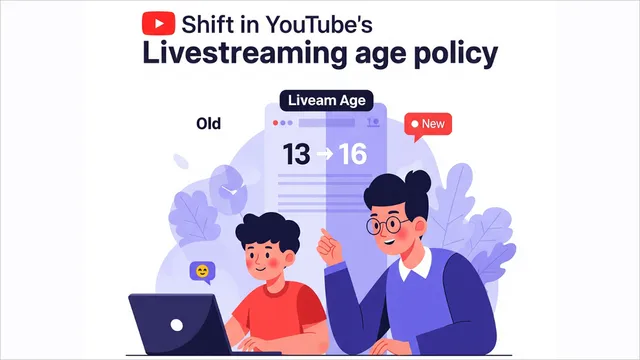
In short, YouTube is trying to rebalance its ecosystem, to support genuine creators, improve content quality, and protect users from spammy, repetitive videos.
Wrapping up
If you’re someone who spends hours planning, filming, and editing thoughtful content, this update is actually good news. It’s a sign that YouTube is refocusing on originality. Yes, AI tools are still valuable, but the human touch is once again becoming the key to long-term success on the platform.
The bottom line? Don’t just chase views, focus on creating value. Whether you’re just starting or trying to break through the noise, Boztech is here to help. Our team specializes in YouTube SEO, optimized descriptions, tags, thumbnails, and smart content strategies that help channels start monetizing within 5–6 months.
Facing copyright issues or struggling with reach? We’ve got you covered.
Let’s get your content seen, and earning. Visit our website and reach out today to start your journey toward YouTube success with Boztech.
Add a Comment