
The miraculous invention and evolution of technology have granted us numerous opportunities to enhance our lives, not just in terms of learning but also for work and entertainment. However, everything comes with a price, a fact that we seem to neglect or overlook. In this blog, let’s dive into the most wondered question of whether technology is a curse or a blessing.
Technology has given us the advantage of the internet, making everything available to us. We are exposed to every aspect of the world – outer space, under the earth, and can anticipate even unseen. This exposure can be considered both a blessing and a harmful. The unlimited access to technology has distanced us away from novelty.
We are constantly reliant on tech gadgets, whether it’s for homework, office work, passing time, making a call to a friend, or mindlessly scrolling online for hours without considering the potential consequences it may have on our emotional, psychological, or physical well-being.
Let’s briefly discuss both impacts; good and bad
Technology has transformed our lives
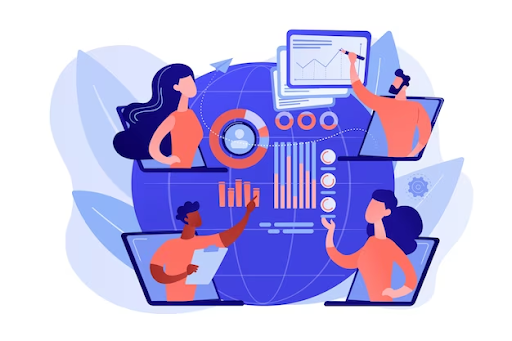
Technology has undeniably improved human lives in many ways, offering convenience and access to information on our fingertips. It has bridged gaps, connecting us with the outer world within seconds. Various sectors, from media and fashion to journalism, computer science, medical fields, and advancements like artificial intelligence (AI), have witnessed a transformative revolution, replacing traditional procedures with modern solutions.
In the medical field, technology has revolutionised diagnosis, treatments, precautions, and advocacy. Incurable diseases are now possibly curable through updated medical procedures and advanced equipment. Agriculture has seen improved methods for cultivation, harvesting, and farming, leading to increased efficiency and productivity with reduced time consumption. In manufacturing, high-end machinery has enabled mass production without compromising quality control.
Education has experienced a democratising force with technology, offering virtual classrooms, webinars, online courses, digital libraries, online course material availability, search engines, and vast data. Information access has become global, thanks to search engines like Google and Binge.
The work sector has undergone a significant shift, especially during the COVID era, with the introduction of “work from home” or remote working. Online video conferences and collaboration tools like zoom and skype have facilitated a seamless communication. Shopping has transformed entirely with the rise of ecommerce stores, changing physical shopping to online and overall consumer-business interaction.
Earlier distance used to be a major barrier in communication but now innovation of smartphones and especially internet has made it instantaneous regardless of distance. Thanks to tools like email, messaging apps, social media platforms, communication is no longer an issue in this era.
Entertainment has become a dominating aspect of our world right now with social media platforms keeping us stay connected, updated with trends, engaged in games, movies, e-sports.
Transportation is also a relief with the emergence of technology. With apps like Uber, Careem, Indrive you can book a ride from anywhere anytime and reach safely to your destination. Your location can be tracked easily and safely.
Adverse impacts

While social media undoubtedly brings numerous positive influences, it is crucial to acknowledge the challenges that accompany its widespread use.
With everything available online to everyone, data has become more prevalent, raising concerns of privacy and safety. Issues such as identity theft, unauthorised data access, hacking, scamming, frauds have become commonplace. The interconnectedness facilitated by social media also exposes individuals, companies, and governments to the threat of cyber attacks, ranging from financial losses and data breaches to ransomwares attacks like phishing.
The advent of AI and automated technology has led to widespread unemployment, as humans are replaced with machines and robots, depriving many of opportunities to make a living.
Despite technology making connectivity easier, it has paradoxically fuelled social isolation and pervasive culture of comparison among individuals. This has substantial impacts on emotional and mental well-being.
The constant pressure to stay online, keep up with trends, and process a deluge of information has contributed to social insecurity, depression, tech-tiredness, anxiety, low self esteem, and various emotional and mental concerns. People have stopped going out and sitting in nature, leading to a sedentary lifestyle and associated physical health issues like eye strain, sleep disruption, migraines, social comparison and body image insecurities.
Habitual or Addiction?
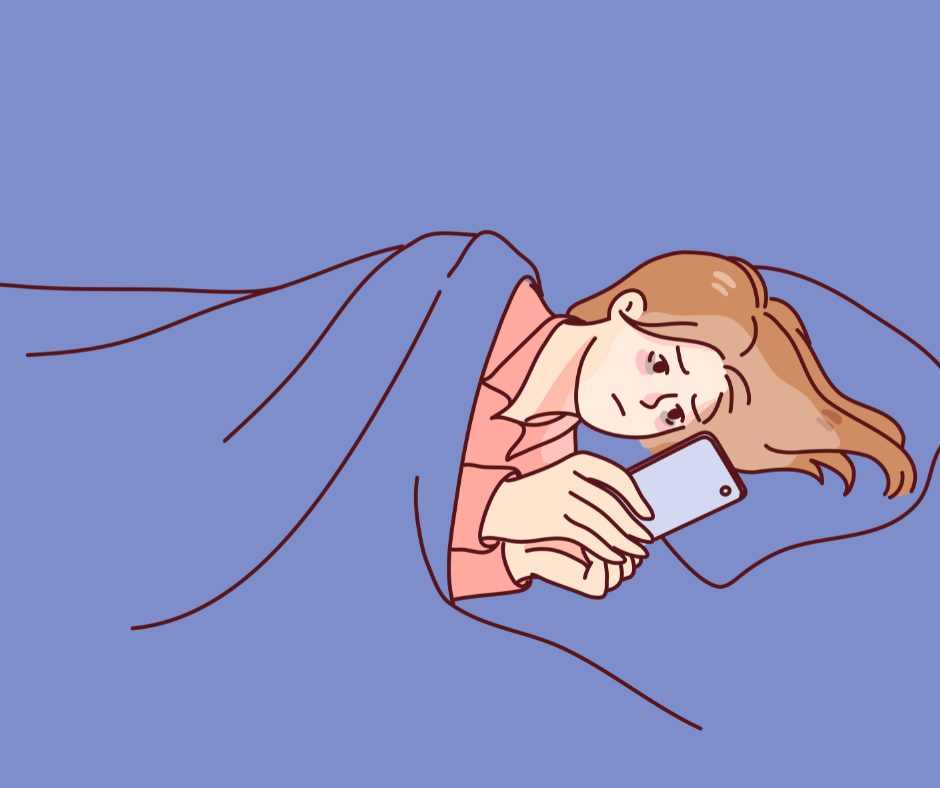
It is often believed that we cannot survive without technology. For instance, when attempting to engage in physical exercise without our phone, a sense of discomfort may arise, as our thoughts are preoccupied with notifications, messages, or concerns about missed calls. This constant connection to technology disrupts our genuine peace and ability to live in the present moment.
People in the past lived happy and healthier lives without the constant pressure of digital devices. The simplicity of life before the advent of technology allowed individuals to have a deeper understanding of right and wrong and yet had an awareness about what is going on around the world.
Technology has occupied our brains that has left us in a situation where we are unable to make decisions independently. We always rely on search engines to explore it first, and then make a decision, whether it is for shopping, study, or anything.
A clear example of this is observed when a guest enters our house, they ask for wifi password instantly, highlighting the extent to which we have surrendered power to technology. Basic human interactions and greeting have taken a backseat to our technological preoccupations. We can’t figure out if it is an addiction, or we use it habitually and can cut ties when it becomes harmful. Regardless, exercising wisdom in our usage is imperative.
There is a fine line between what to post and what not to, what to believe and what not to, and what to take inspiration from and what not to. Just because raw information and data is available to us doesn’t mean we should make the most use of it and believe everything. Whatever is on the internet today does not validate it is 100% reality based. Which is why, using it wisely is significant.
A double-edged sword
To wrap up, technology is similar to a double edged sword, exerting a magnetic pull that can either bring harmony or cause significant consequences depending on its balance for excessive use. There is a well-said saying, “Excess of anything is bad”, which resonates with the rapid evolution of technology.
We live in an era where technology has dominated our world abruptly and imprisoned us with its advanced gadgets. It remains unclear whether technology is ultimately harmful or beneficial, join us in this discussion to explore more together.
#TechEthics, #DigitalTransformation, #Innovation, #TechAdvancements, #ProsAndCons, #ImpactOfTechnology, #DigitalAge, #TechDilemma, #SocietyAndTech, #TechRevolution, #EthicalTech, #FutureTech, #BlessingOrCurse, #TechResponsibility, #HumanityAndTech, #TechPros, #TechCons, #TechDebate, #TechBalance
Add a Comment